
Fit Every Item. Perfectly.
A calming puzzle game where you organize everyday objects — groceries into fridges, cosmetics into bags, clothes into suitcases. Free on mobile, with optional bonus content packs available separately.
Explore Game ModesOperated by OceanView. Questions? Reach out or read our Privacy Policy.
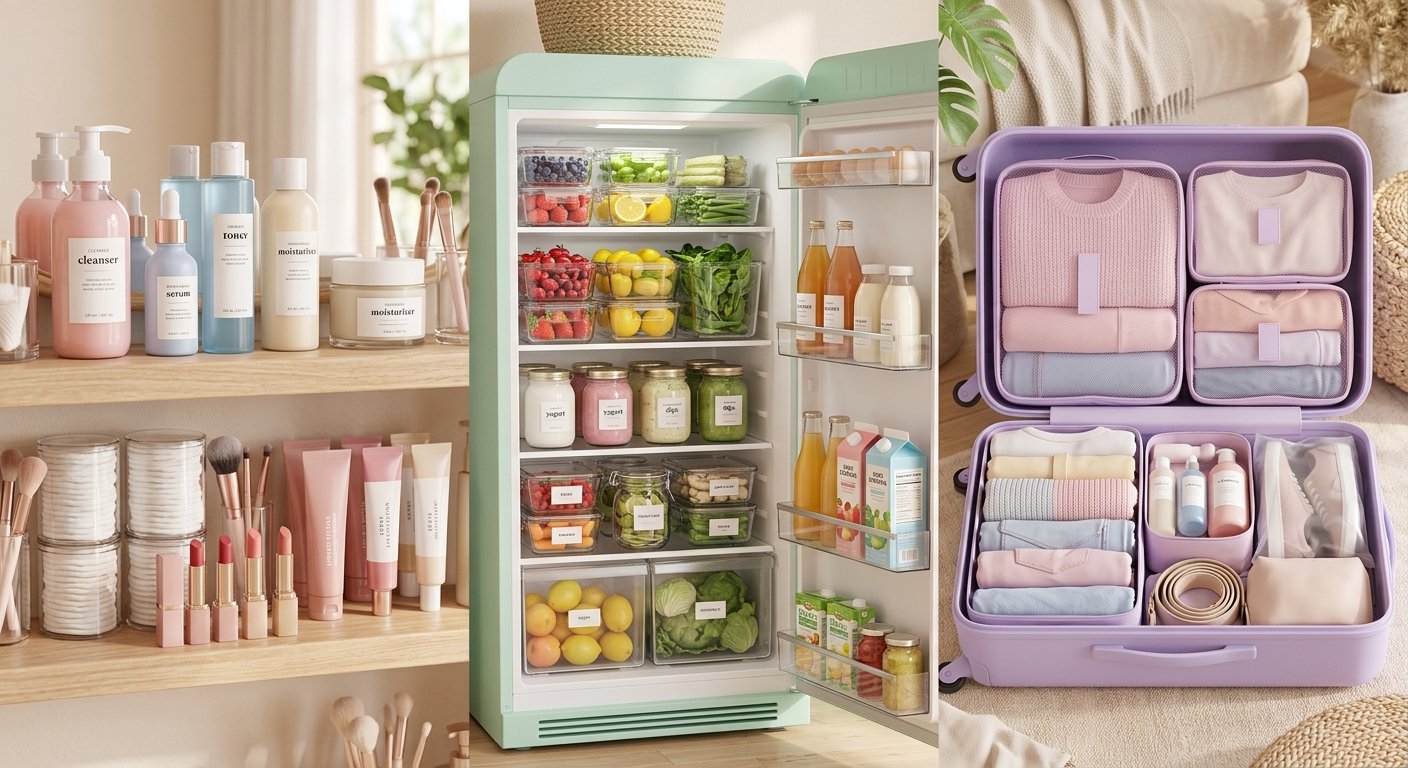
There is a particular kind of satisfaction that most people never think about until they experience it in a game. You know the feeling — the one where a jar slides into exactly the right gap on a fridge shelf, where the last cosmetic bottle nestles into a corner you weren't sure would fit anything at all. We started noticing something odd during early testing in 2024. Players would open the app during their commute, spend fifteen minutes packing a virtual suitcase, and close it with a sense of calm. Not excitement in the way action games produce, but something quieter. One tester in Portland told us she used it between work calls because it helped her refocus.
That observation shaped everything about how we built ASMR Organizer Master. The sound design came first — every item has a unique placement sound, a soft click or muffled thud recorded from real objects. Then the visual feedback: gentle shadows that shift as items lock into position, color palettes borrowed from actual kitchen cabinets and bathroom drawers we photographed in San Diego apartments. The physics are deliberately forgiving. Items snap to a subtle grid, but not so aggressively that the puzzle disappears. You still need to think about orientation, about which items should go in first, about the odd-shaped jar that only fits one way.
The game currently includes seven organizing scenarios, from a compact makeup bag with twelve items to a full kitchen pantry requiring spatial planning across multiple shelves. Each scenario took between two and six weeks to design because we tested item combinations manually, ensuring every puzzle has at least one solution that feels earned rather than guessed. Some players organize by color. Others by category. A few develop systems we never anticipated, and honestly those moments surprise us more than any analytics dashboard ever could.
How We Think About Design
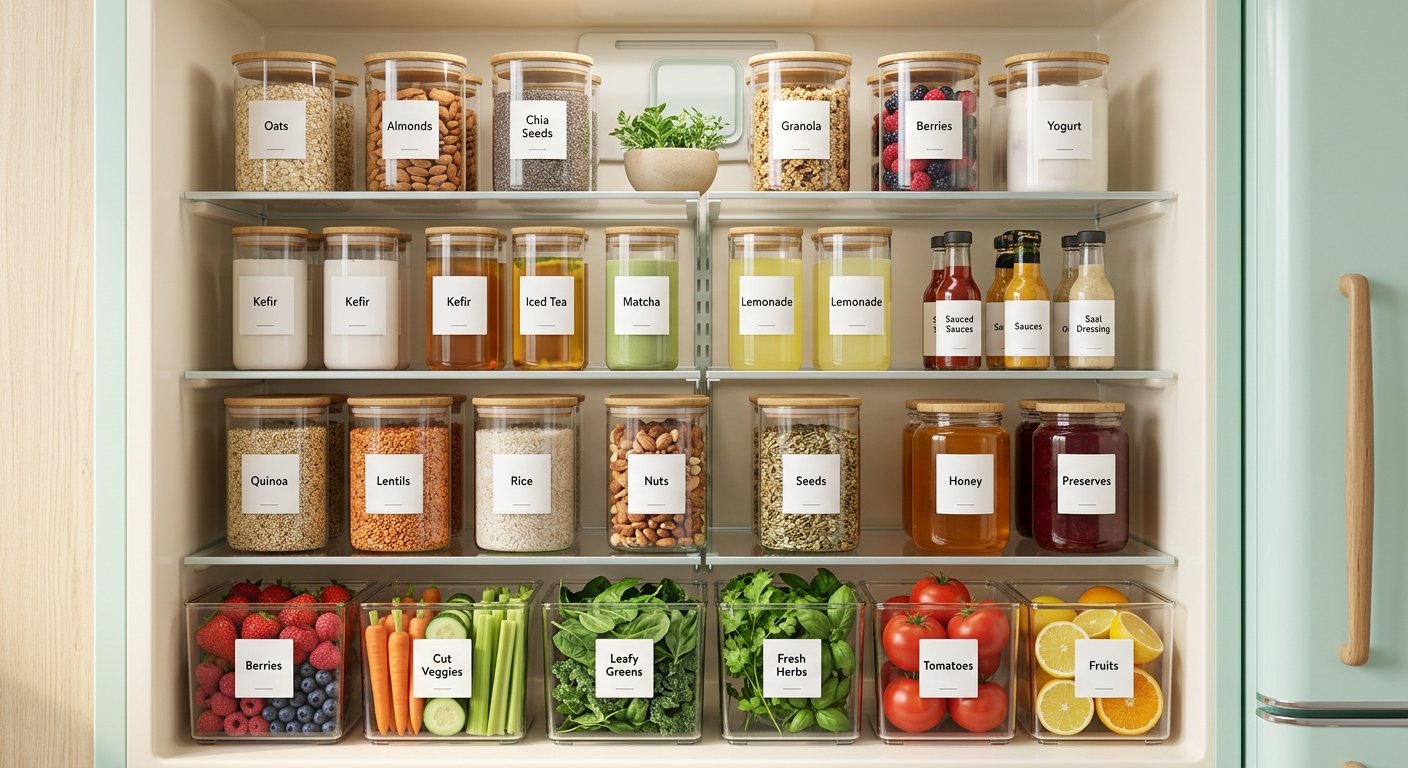
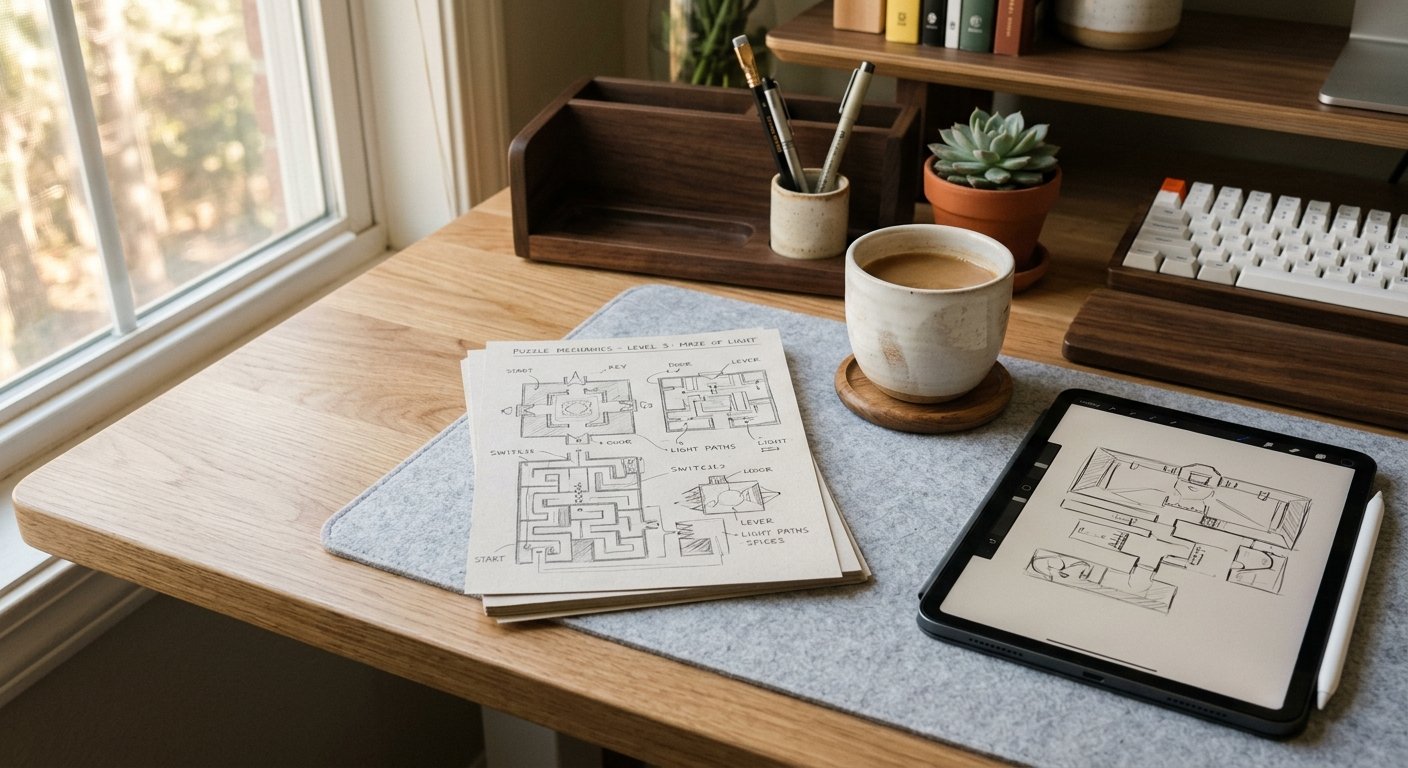
Every organizing scenario starts with a real-world reference. Before we build a level, someone on the team photographs their actual fridge, their desk drawer, their travel bag. We count the items, measure the space, note where things get awkward. That real-world friction is what makes the digital version feel satisfying to solve.
The sound design follows a simple rule: no two items share the same placement sound. A glass jar produces a different acoustic than a plastic container, which differs from a cardboard box. We recorded over 200 individual sounds in a small studio in San Diego during the spring of 2025. About 140 made it into the game. The rest sit in a folder labeled "maybe later."
Difficulty scales gradually but not linearly. Early levels teach spatial reasoning through generous spaces and forgiving item counts. Later levels introduce irregular shapes and tighter constraints — but never to the point of frustration. We track completion rates internally and adjust when we see players getting stuck in ways that don't feel productive.
Organizing Scenarios
-
Fridge Organization
Arrange jars, bottles, and containers across adjustable shelves. The fridge scenario includes three difficulty tiers based on item count and shelf configuration. Each tier introduces new container shapes that require rethinking your approach to vertical space.
-
Travel Suitcase Packing
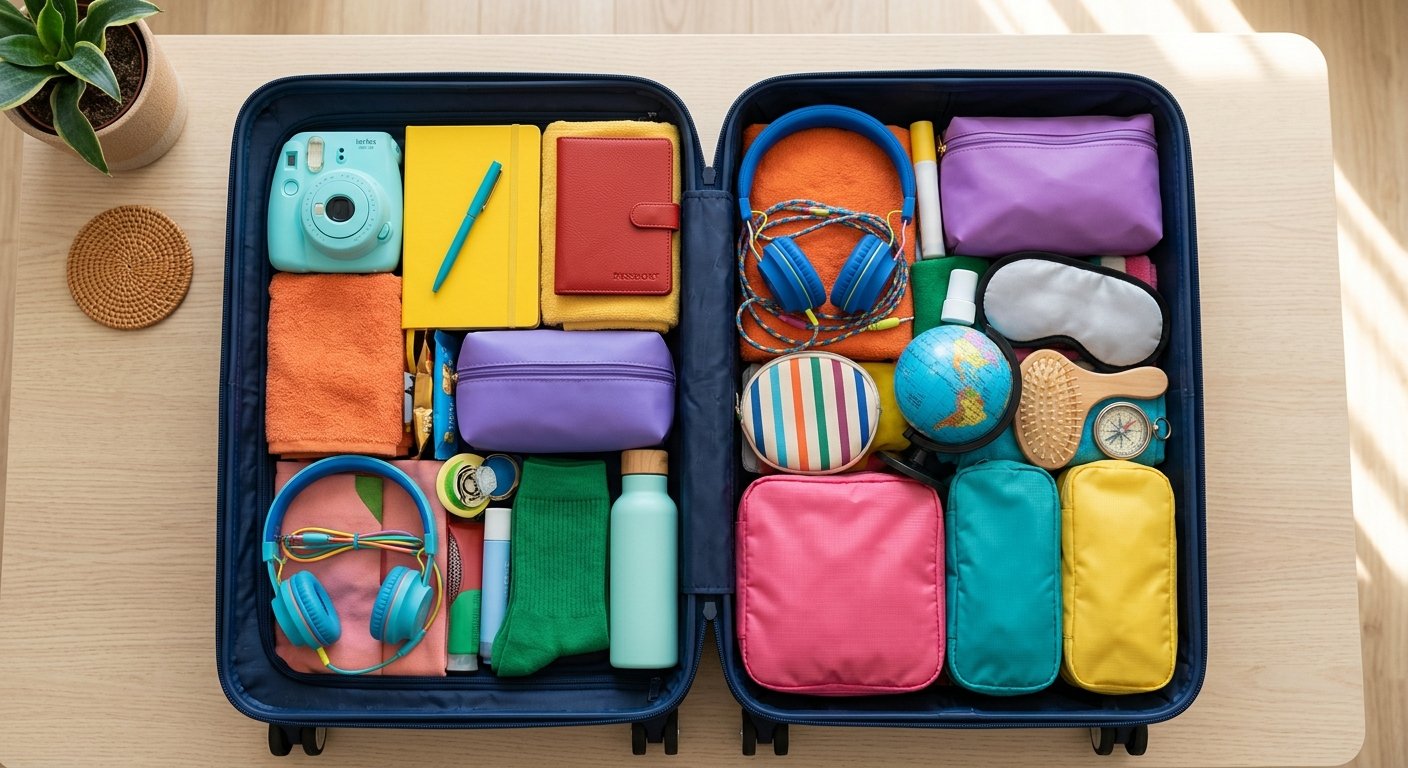
Pack clothes, toiletries, and accessories into a suitcase with fixed compartments. Clothes can be folded or rolled — each method affects the space they occupy. This scenario favors planning over speed, since poor early choices cascade through the entire packing process.
-
Cosmetic Bag Arrangement
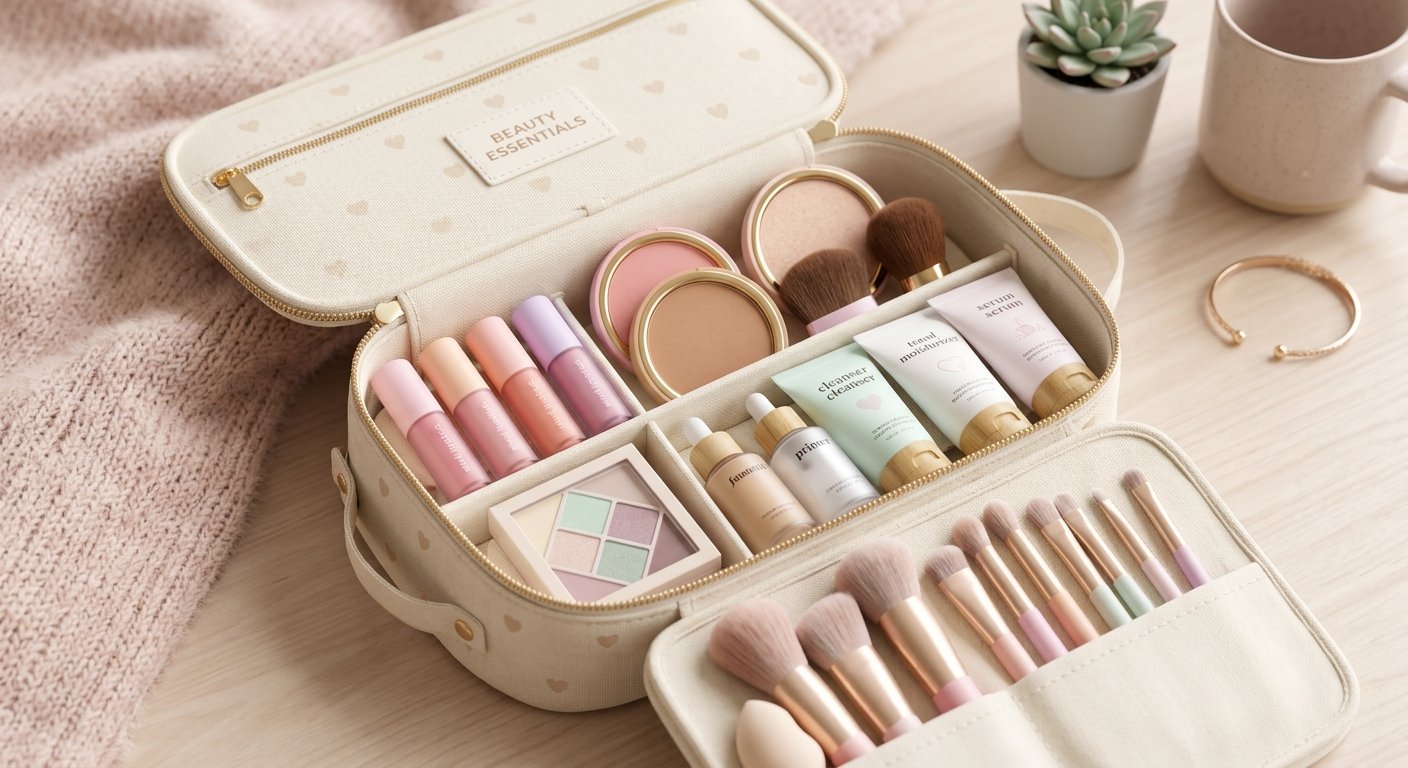
Fit brushes, palettes, and bottles into a compact bag with elastic loops and zippered pockets. The cosmetic bag scenario is our shortest average play session at roughly 4 minutes per round, making it popular during brief breaks.
-
Desk Drawer Sorting
Organize stationery, cables, and small electronics into compartmentalized drawers. This scenario introduces cable management as a mechanic — flexible items that can be coiled or straightened to fit specific channels.
-
Kitchen Pantry Shelf
Stack cans, boxes, and bags across multiple shelves with weight considerations. Heavier items need bottom-shelf placement, adding a constraint layer that doesn't exist in the simpler scenarios.
What We Intentionally Skip
- No competitive leaderboards or timed challenges. This is a relaxation game, not a stress simulator.
- No social features, chat rooms, or friend requests. You play solo, at your own pace.
- No randomized item drops or hidden content. All content is visible before you decide to unlock it.
- No energy systems or wait timers. Play as much or as little as you want.
"We removed the timer feature after the third playtest. Every tester said the same thing: they didn't want to be rushed. So we listened."
— Design note from the team, March 2025We publish occasional design notes on our articles page. No inflated player counts or fabricated awards here — just notes on what we're working on and why.
From Our Articles
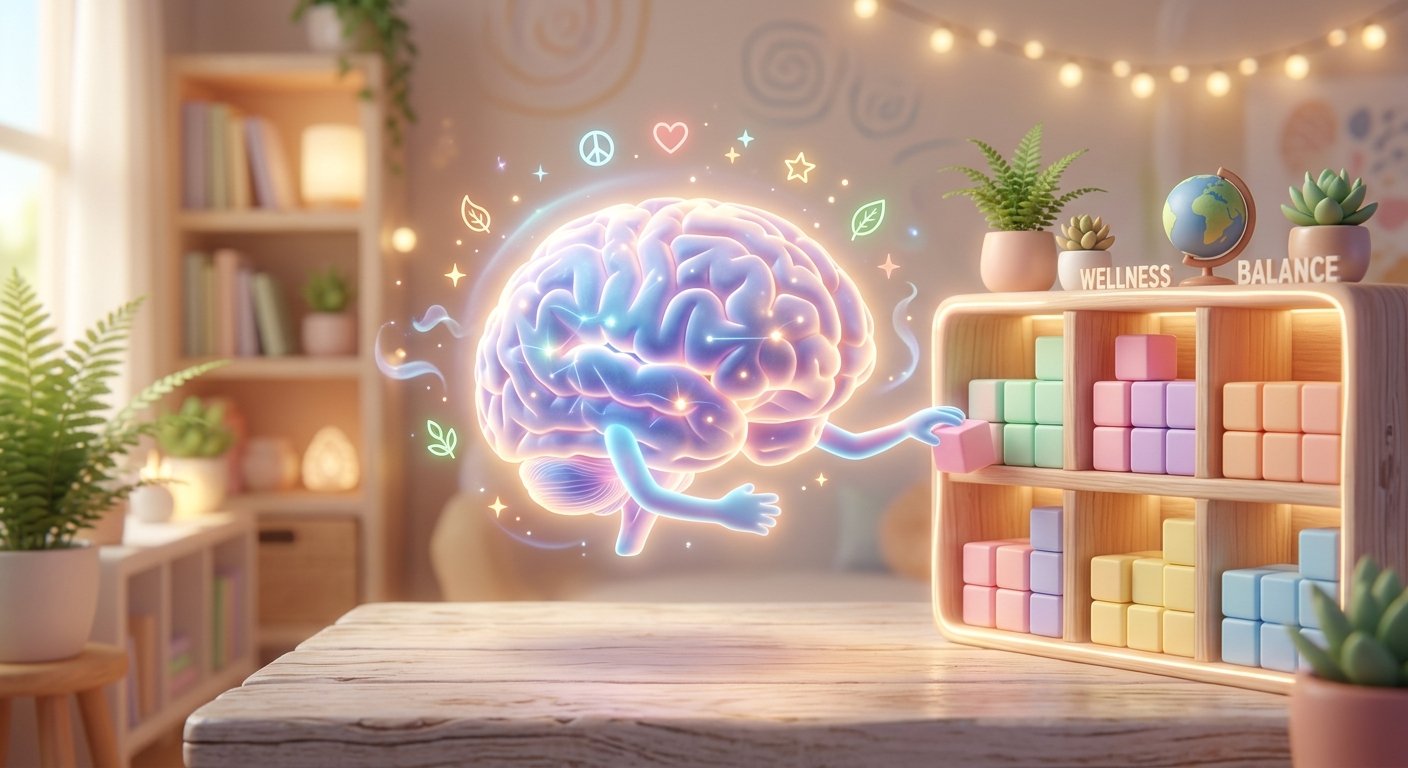
From task completion to environmental control — a look at why tidying up feels satisfying, and how game designers apply those insights.
How fridge-stocking videos on TikTok evolved into a mobile game category.
Five practical approaches to tackling tight-space puzzles without frustration.
Questions Players Ask
It depends on the person. We designed the sound layer around gentle audio cues — soft clicks, quiet friction sounds, subtle placement thuds — but individual responses to ASMR-style audio vary widely. Most players simply find it relaxing. If you already enjoy organizing videos on YouTube, you will likely appreciate the audio experience. For a broader understanding of ASMR, the Wikipedia entry on ASMR covers the topic well.
Yes. All core organizing scenarios work without an internet connection. You only need to be online for the initial download and when accessing optional content packs.
Gradually and unevenly. We don't follow a strict linear difficulty curve because that tends to create frustration walls. Instead, each scenario has its own pacing. The fridge scenario introduces new container shapes every few rounds. The suitcase scenario increases item variety but keeps the space generous for a while before tightening. If you find a particular round too challenging, you can skip it and come back later.
The game contains no violence, no ads targeting minors, and no social interaction features. It is rated E (Everyone) by the ESRB. Children as young as five can complete early levels, though the later scenarios require spatial reasoning that typically develops around age eight or nine. According to the ESRB ratings guide, E-rated content is generally suitable for all ages.
Both. The layout adapts to screen size. Tablets actually offer a slightly better experience for the pantry and desk drawer scenarios because the larger screen makes small items easier to manipulate.
Because competition changes the emotional texture of a game. When there is a leaderboard, even a casual player starts comparing their performance. That comparison introduces tension — which is the opposite of what we are going for. ASMR Organizer Master is designed as a decompression tool, not a performance test. If competitive organizing appeals to you, there are other games that serve that need well. This one does not.